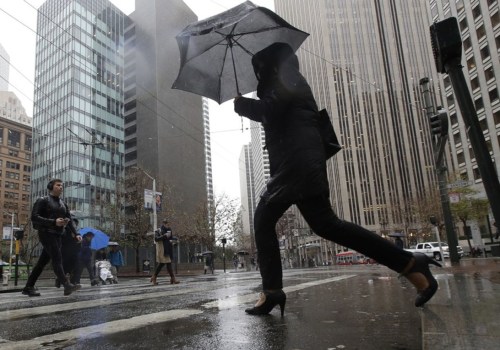
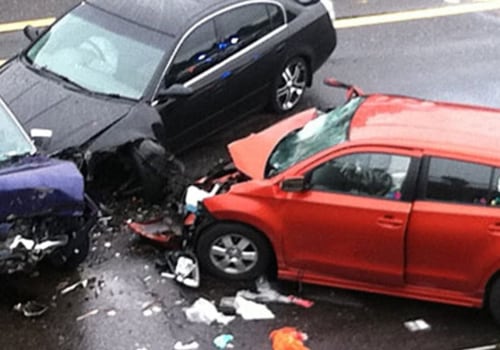
When a pedestrian accident occurs, most people immediately focus on the actions of the driver involved. Questions regarding speed, distraction, impairment, failure to yield, or traffic violations often dominate discussions surrounding liability. While driver negligence is certainly a common factor in pedestrian injury cases, it is not always the only issue that contributes to an accident. In some situations, dangerous roadway conditions, poorly maintained infrastructure, defective traffic control devices, or inadequate public safety measures may also play a significant role. These circumstances can raise questions regarding municipal liability, a legal concept that is frequently overlooked but may become highly relevant in certain pedestrian accident claims.
Understanding Municipal Liability
Municipal liability refers to the legal responsibility that cities, counties, towns, or other government entities may bear when their actions—or failures to act—contribute to injuries. Local governments are often responsible for maintaining roads, sidewalks, crosswalks, traffic signals, street lighting, signage, and other public infrastructure. When these systems are not properly designed, maintained, or repaired, hazardous conditions may develop that increase the risk of pedestrian accidents. Although government entities often have certain legal protections and procedural requirements that differ from those applicable to private individuals, they may still face liability under specific circumstances.
Dangerous Infrastructure Can Contribute to Accidents
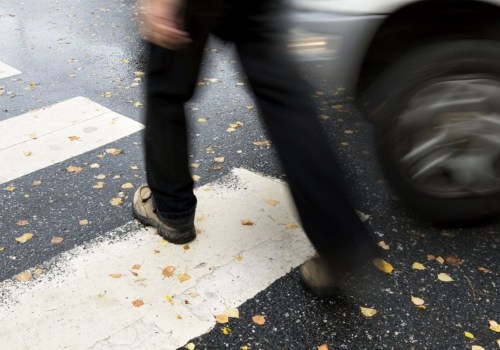
Many pedestrian accidents occur in areas where infrastructure conditions create additional risks. Faded crosswalk markings, malfunctioning traffic signals, broken sidewalks, inadequate street lighting, obstructed sightlines, missing signage, and poorly designed intersections can all affect pedestrian safety. For example, a driver may fail to see a pedestrian because a crosswalk is poorly illuminated, or a pedestrian may be placed in danger because a traffic signal is not functioning properly. In these situations, investigators may examine whether infrastructure-related issues contributed to the accident alongside any driver-related conduct.
The Importance of Notice and Maintenance
One of the key issues in municipal liability cases often involves determining whether the government entity knew—or reasonably should have known—about a hazardous condition. Municipalities are not automatically responsible for every dangerous situation that develops on public property. Instead, liability may depend on factors such as prior complaints, inspection records, maintenance histories, repair requests, and the amount of time a condition existed before the accident occurred. Establishing these facts often requires extensive investigation and documentation.
Multiple Parties May Share Responsibility
Pedestrian accident cases involving municipal liability frequently become more complex because responsibility may be shared among multiple parties. A negligent driver, government agency, contractor, utility company, or property owner could each potentially contribute to the circumstances leading to an injury. Determining how fault should be allocated requires careful analysis of accident reports, witness statements, engineering evaluations, maintenance records, and other evidence. Because multiple parties may be involved, these cases often require a broader investigation than a typical vehicle-pedestrian collision.
Unique Legal Procedures Apply
Claims involving municipalities frequently involve procedural requirements that differ from ordinary personal injury cases. Notice requirements, filing deadlines, immunity provisions, and statutory limitations can affect how and when a claim must be pursued. Individuals seeking to maximize your injury settlement may discover that identifying all potentially responsible parties, including government entities when appropriate, is an important aspect of evaluating the full scope of a pedestrian accident claim. Understanding these procedural rules is often essential when municipal liability issues arise.
Why Municipal Liability Matters
Ultimately, municipal liability is an often-overlooked factor in certain pedestrian accident cases because attention naturally focuses on the actions of individual drivers. However, roadway design, infrastructure maintenance, traffic control systems, and public safety measures can sometimes contribute significantly to an accident. When dangerous conditions on public property play a role, local government entities may become part of the legal analysis. Recognizing the potential involvement of municipalities helps ensure that pedestrian accident investigations consider all relevant factors and that liability is evaluated based on the complete circumstances surrounding the incident rather than a single contributing cause.